

Business Health ·
Give Your Business a Physical: The Six Vital Signs to Check Before January
Mid-November is the right time to examine the whole business, not just the tax file. Here is a simple physical: six vital signs, one sitting and a clear next step.
You would not wait until April to find out how your health is, yet many owners wait until tax season, a loan application or a missed deadline to look at the whole business at once. Mid-November is a better moment: there is still time to act before December 31, and January's dates are close enough to take seriously.
This is not another year-end tax checklist. We already published a year-end tax planning checklist for the tax file. This is a physical: a simple exam of six vital signs that show whether the business is ready for the year ahead. At the end you will find a 45-minute annual exam you can run at your desk, and a ten-question self-quiz.
Why mid-November is the right time for a physical
A physical is most useful before you are in a hurry. In mid-November you still have weeks to catch up the books, review prices, list contractors and decide whether a tax payment belongs on the calendar. By the second week of January, several of those tasks have hard dates behind them.
The window helps in three ways: there is still time left in the year, January arrives as a cluster of dates, and Q1 often has a different pulse than Q4, even after a strong December.
Our Getting Started page asks new clients to bring what they have: statements, returns, a credit report or a draft plan. An incomplete file is fine. Finding the gaps is part of the job. The physical below helps you find those gaps yourself.
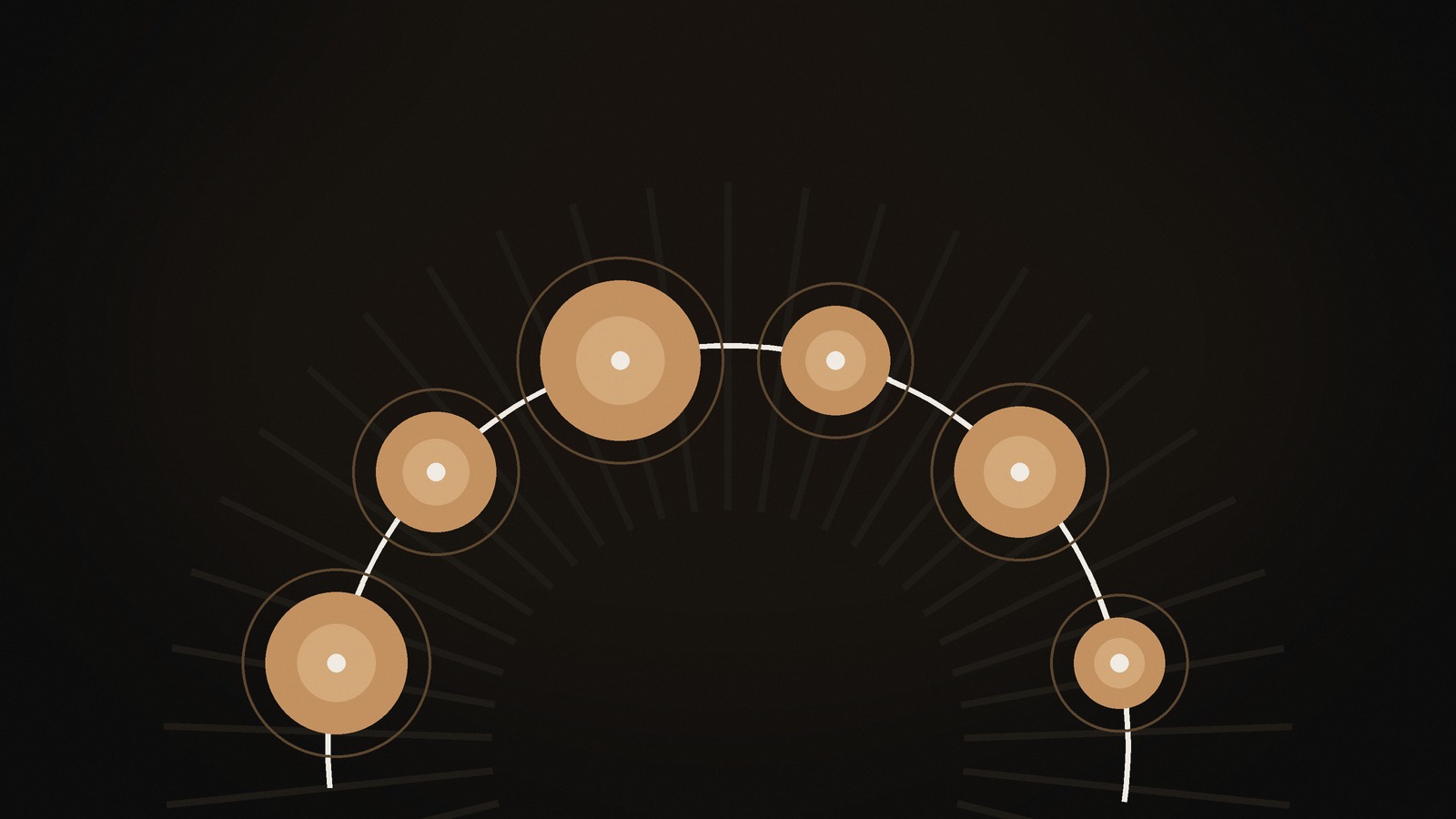
Meet the Six Vital Signs
A doctor's visit begins with a few readings that show how the systems are doing. Your business has readings too. None of them requires special software. They require an honest look.
Vital Sign 1: Temperature ("Are the books current?")
Temperature is the simplest reading, and the one that affects every other. If you can produce last month's profit and loss statement today, the books are running close to normal. If you cannot, the file is running a fever: transactions are landing faster than they are being categorized.
The IRS says you may choose any recordkeeping system that clearly shows your income and expenses, and that supporting documents, including invoices, receipts, deposit slips and canceled checks, should be kept in an orderly fashion. For most income tax records, keep them for three years after the return is filed, unless a longer period applies. Keep employment tax records for at least four years after the tax becomes due or is paid, whichever is later.
What to do: try, today, to produce last month's profit and loss statement. If you cannot, write down how many months are behind and gather the statements. That is what accounting and bookkeeping is for. We capture transactions into QuickBooks from mobile so the file is not a shoebox in April, and if the books are behind, cleanup comes first. Current books also make tax preparation faster.
Vital Sign 2: Pulse ("Will the cash last into January?")
Pulse is not the same as profit. It is whether cash will be in the account on the days you need it. A business can be profitable on paper and still feel tight in the third week of January.
As an illustration, not a prediction: a December with strong collections can be followed by a January in which an insurance renewal, an estimated tax payment and a quieter week of sales arrive together and pull the balance down even after a good year.
What to do: sketch cash you expect to receive and cash you expect to pay in December, January and February. Mark the week you expect to be tightest. If the pulse fades when new work slows, look at lead generation and whether your website makes it easy to find you, book or pay. A written business plan includes sensitivity and break-even analysis: a structured way of asking how low the cash can go.

Vital Sign 3: Pressure ("What are you carrying?")
Pressure is the load: loan payments, credit card balances, amounts customers owe you and amounts you owe vendors. Some pressure is normal. It becomes a concern when you cannot list it, when something is past due, or when personal credit is doing work the business should be doing on its own.
What to do: list every recurring payment on debt, every significant amount you are waiting to collect and every significant amount you need to pay. Note anything past due. Our business funding work starts by structuring that file. If you do not qualify today, you do not get a no; you get a roadmap for the missing pieces, such as entity, site, email, credit or books, and a date to come back. As our building business credit page explains, bureaus and lenders need to see one company, from its name and address to its EIN and bank account. If personal credit is holding the file back, credit consulting can run alongside.
Vital Sign 4: Weight ("Do prices and costs still fit?")
Weight is whether costs still earn their keep, and whether prices still cover the work. Costs drift up quietly. Prices often stay where they were set, even after the work has changed. A cost that still produces a clear return can stay. A price that no longer covers time, materials, fees and a margin is a problem you will feel all year if you carry it into January.
What to do: highlight every recurring charge and ask whether you would sign up for it again today. Cancel what fails the test. Our article on reducing overhead has more ideas. If you accept cards, find your effective rate by adding up the month's processing fees and dividing by your card sales; our merchant account desk reviews the last three months of processing statements for that reason. Then pick three recent jobs or sales and ask whether the price would still make sense tomorrow.
Vital Sign 5: Reflexes ("Will January's deadlines be met?")
Reflexes are how the business responds when a date is fixed.
According to the IRS, the fourth estimated tax payment for 2026 is due January 15, 2027. Individuals, including sole proprietors, partners and S corporation shareholders, generally have to make estimated payments if they expect to owe tax of $1,000 or more when their return is filed. You do not have to make that payment if you file your 2026 return by February 1, 2027, and pay the entire balance due with that return. January 31 is the other date: Forms W-2 must be filed with the Social Security Administration and furnished to employees by then, and Form 1099-NEC must be filed with the IRS and furnished to recipients by the same date. Form 940 and the fourth-quarter Form 941 also belong to this window. If a filing due date falls on a Saturday, Sunday or legal holiday, the IRS says you may file on the next business day.
For payments made in 2026, the IRS says the Form 1099-NEC reporting threshold is $2,000, up from $600 for payments made before 2026.
What to do: list everyone you paid this year who is not an employee, and confirm names, taxpayer identification numbers and totals. If you have employees, confirm that wage and withholding information is ready to review. With our payroll service you run payroll each period while federal 940 and 941 filings and deposits draft electronically, and W-2s and 1099s go out at year end. For the rest of the tax file, use the year-end tax planning checklist.

Vital Sign 6: Posture ("Does the business stand on its own?")
Posture is whether the business has a shape of its own: the right entity, an EIN, a bank account in the company's name, and a consistent name and address. When those pieces are missing or mixed with personal life, every other vital sign is harder to read, and lenders see a side project instead of a company.
What to do: confirm the entity, the EIN and the account. If any of the three is missing, start there, through business formation and a bank account in the company's name. The same consistent foundation is what building business credit requires. Straighten the posture first; the other readings get clearer once it is right.
After the exam: treat the reading, not everything at once
A physical is not a demand to repair everything in a week. If two vital signs concern you, start with those two. If several are off, posture and temperature usually come first. Our article Moving Forward to Greatness is about taking the next step in the right sequence.
The 45-minute annual exam
You need 45 minutes, last month's statements and a way to take notes.
- Minutes 1 to 8: Temperature. Try to produce last month's profit and loss statement. If you cannot, write down how many months are behind and gather the statements.
- Minutes 9 to 16: Pulse. Sketch cash in and cash out for December, January and February. Circle the tightest week, and write one sentence about why.
- Minutes 17 to 24: Pressure. List loan payments, card balances, amounts you are owed and amounts you owe. Mark anything past due.
- Minutes 25 to 32: Weight. Highlight every recurring charge and ask whether you would sign up again today. Then pick three recent jobs and ask whether the price would still make sense tomorrow.
- Minutes 33 to 40: Reflexes. List everyone you paid this year who is not an employee. Note the 2026 Form 1099-NEC threshold of $2,000. Confirm whether W-2 information is ready, and whether a January 15 estimated tax payment applies.
- Minutes 41 to 45: Posture. Confirm the entity, the EIN and a bank account in the company's name. Write one sentence: the first thing to address before January.
Keep the notes in one place. That page makes a first conversation with a consultant productive.
Self-quiz: is your business cleared for January?
Answer yes or no, with this year's file in mind.
- Can you produce last month's profit and loss statement today?
- Are your receipts, invoices and statements organized by year and type?
- Have you sketched cash in and cash out for December, January and February?
- Do you know which week in the next 90 days is likely to run tight?
- Could you list your loan payments, card balances, amounts you are owed and amounts you owe?
- Have you reviewed every recurring charge in the last 90 days?
- Have you looked at whether the prices you will quote in January still cover the work?
- Do you have a list of non-employees you paid in 2026, checked against the current Form 1099-NEC threshold?
- If you have employees, is the information for Forms W-2 ready to review?
- Is the business in its own name, with its own EIN and its own bank account?
Your score:
- 8 to 10 yes: the vital signs read clearly. Keep a lighter monthly review going.
- 5 to 7 yes: pick the two "no" answers that concern you most and address those first, before January.
- 0 to 4 yes: the exam has done its job by showing where to begin. That is normal and fixable. Finding the gaps is part of the job.
How Head Start Biz Solutions helps you complete the exam
Head Start Biz Solutions has served Hampton Roads since 2008. Each of the Six Vital Signs points to a different part of the business: books, cash, credit, costs, payroll and tax, and structure. Submit one intake and you are assigned a consultant as your direct contact by email, text or phone. No 800 number. Your consultant looks at the whole picture and lays out the steps in the order your situation can support, at our Norfolk office or remotely. Learn more about us, browse all of our services, see how we have changed in How We've Changed to Serve You Better, or get the bigger picture in Moving Forward to Greatness.
Frequently asked questions
- How is this physical different from a year-end tax checklist?
- The tax checklist is for the tax file: books, estimated payments, payroll, contractors and planning to finish before December 31. The physical looks at the whole business, including cash into Q1, pricing, credit and whether the company stands on its own. Use both.
- The Form 1099-NEC threshold changed. What does that mean for 2026 payments?
- For payments made before 2026, the reporting threshold was $600. For payments made in 2026, the IRS says the threshold is $2,000. You should still build a complete list of non-employees you paid, because other rules can require a form regardless of the amount.
- I am months behind on the books. Is it too late to catch up before January?
- No. Start with the months that are open, gather the statements, and work forward. Cleanup comes first, and an incomplete file is a normal place to begin.
- What should I bring to my first conversation?
- Bring what you have: recent statements, prior tax returns, a list of people you paid, a credit report or a draft plan. If you completed the 45-minute exam, bring those notes too.
- Do you only work with businesses in Norfolk?
- No. We serve Norfolk, Virginia Beach, Chesapeake and the rest of Hampton Roads in person, and we work with clients outside the area remotely. Every client starts with the same intake and a named consultant.
Let's have a conversation
Your business already has a reading. A consultant can help you interpret it and decide what to treat first. Call (757) 993-4334 or start your intake. Hours are Monday through Friday, 10:00am to 6:00pm.
Prepared by Chris Ellis, Head Start Biz Solutions. This article is general information, not tax, legal or financial advice. Every business is different; confirm decisions with your consultant.