

Business Strategy ·
Moving Forward to Greatness: A Roadmap for Small Business Owners
Clear goals, numbers you can trust and steady steps in the right order: how to take your business from where it is to where you want it to be.
Every owner we meet wants the same thing in different words: a business that is bigger, steadier and more theirs than it is today. Some call it freedom. Some call it a legacy. We call it moving forward to greatness. Whatever the name, it rarely arrives in one leap. It is built the same way a house is built: foundation first, then structure, then the rooms you actually want to live in.
This article is about how to move from where your business is right now to where you want it to be. It is not a pep talk, and it makes no promises about income. It is a practical way to think about direction, built on the same four-phase roadmap we use with owners across Norfolk, Virginia Beach and Chesapeake: Foundation, Strategy, Wealth and Growth. You will leave with a 90-day plan you can start this week, a simple scorecard you can keep on one page, and a clear way to decide which phase comes next for you.

What "greatness" actually looks like in a small business
Greatness in a small business is less dramatic than social media makes it look. In our experience it usually comes down to four ordinary things done consistently:
- Clear goals. You can say, in one or two sentences, what the business should look like in a year and why.
- Numbers you can trust. Your books are current, your returns are filed, and you know what you earn, what you keep and what you owe.
- Systems that do not depend on memory. Payroll runs, invoices go out, cards get accepted and leads get followed up whether or not you had a good week.
- Steady steps in the right order. Each move sets up the next one instead of creating a new problem.
None of these require a big year. They require attention. As our homepage puts it, it does not matter how much money you make or do not make: the numbers change, but the foundation does not. A sole proprietor with one client and a multi-entity owner can both use the same method. They simply start at different points.
Start with an honest picture of where you are
You cannot plan a route without knowing your starting point. Before you set a single goal, take an hour and answer five questions in writing:
- Are my books current? If you could not produce a profit and loss statement for last month today, the answer is no.
- Are my returns filed and my taxes paid or planned? Any open notice or unfiled year sits at the top of the list.
- Does my structure still fit? The entity you formed at the start may not be the one that serves you now.
- Can a stranger verify my business? A lender, partner or customer should find a professional website, a business phone and email, and a bank account in the company's name.
- Where does the next dollar come from? Know which services or products bring in most of your revenue and how new customers find you.
Be honest. An incomplete picture is normal, and our Getting Started page says it plainly: finding the gaps is part of the job. If several answers make you wince, you have found your first phase.
The four-phase roadmap: Foundation, Strategy, Wealth, Growth
Every roadmap we build follows the same order. The phases are not a sales funnel; they are a sequence of dependencies. Each one makes the next one possible.
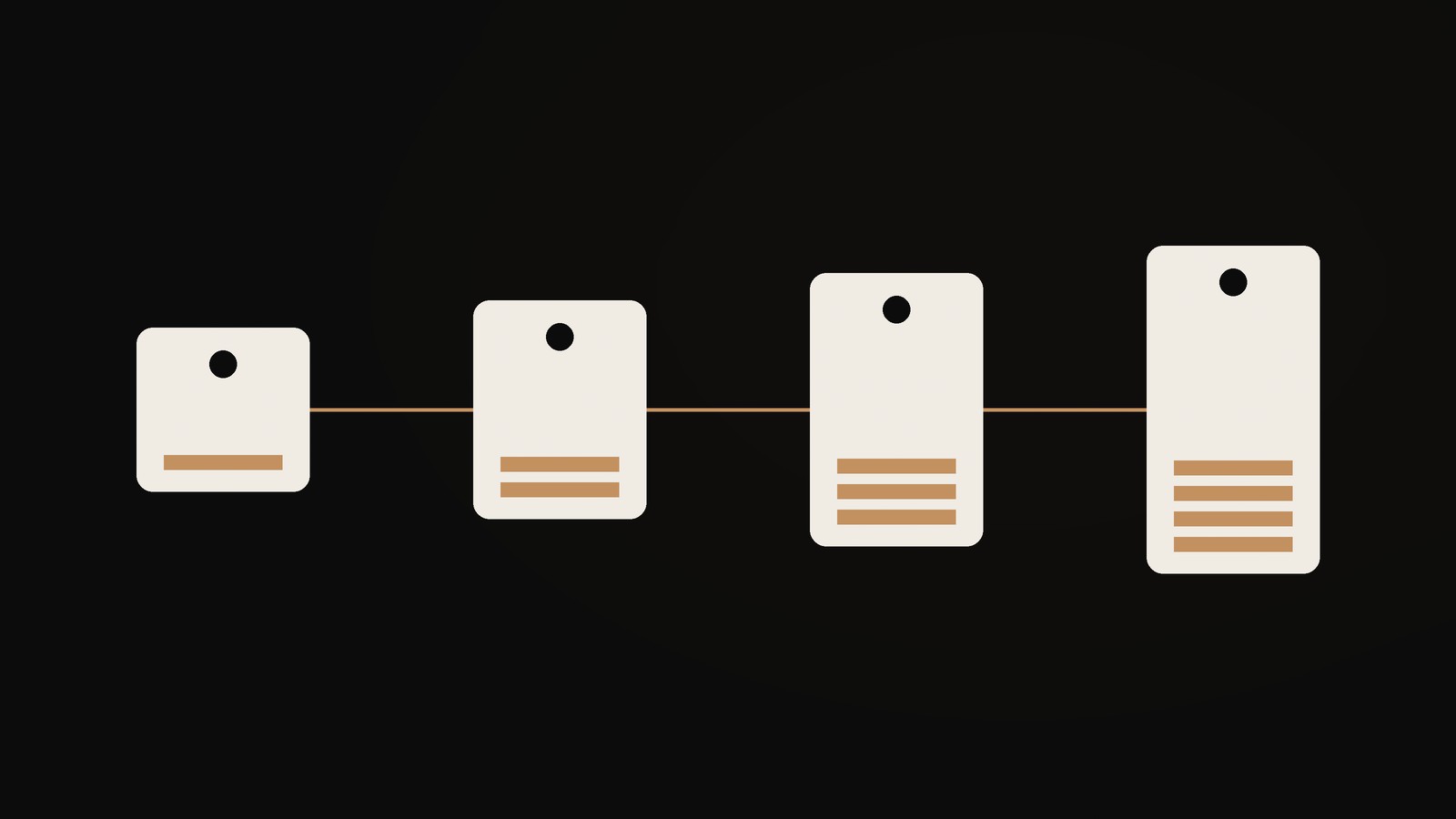
Phase 1: Foundation
Books current. Returns filed. Compliance clean. Nothing else works until this does. Foundation is where tax services and accounting and bookkeeping live, including catch-up and cleanup when you are behind. If you employ people, clean payroll filings and deposits belong here, too. Our recent year-end tax planning checklist is a good way to test your foundation before December 31.
Phase 2: Strategy
Once the numbers are real, you can make decisions with them. Strategy means year-round tax planning and making sure your business formation and structure fit what you are building, so you keep more and risk less. It is also the right time to put your direction on paper with a business plan that a lender or partner could read and understand.
Phase 3: Wealth
Wealth is where savings become assets that last: real estate, retirement and long-term planning such as a trust, coordinated with your tax plan rather than bolted on afterward. Not every owner is ready for this phase on day one, and that is fine. The point is that it has a place in the sequence, so it does not get forgotten.
Phase 4: Growth
Growth is funding, credit, systems and team to scale what is now built on solid ground. That includes business funding, building business credit in the company's name, credit consulting if the personal file is in the way, a merchant account so you can take the card at a fair rate, a professional website and lead generation that brings attention you can convert.
Many owners want to start with Growth, because funding and marketing feel like progress. But growth on a weak foundation tends to magnify the weaknesses. A funding file is stronger when the books are clean. Leads are worth more when the systems behind them work.
How to choose your next phase
Most owners are not entirely in one phase. You might have clean books but an outdated structure, or a solid plan but no way to take card payments. Use this simple rule: your next phase is the earliest one with an open problem.
A quick decision guide
- Any unfiled returns, open tax notices or books more than a couple of months behind? Start with Foundation.
- Books and returns current, but you have never reviewed your entity, owner pay or tax plan? Move to Strategy.
- Strategy in place and the business is producing more than it spends? Talk about Wealth.
- Foundation and Strategy solid, and you are ready to scale? Growth is your next step.
There is one practical exception. Established owners often arrive with an urgent problem, like a funding deadline or a tax notice. We start there, then step back and look at the rest of the picture. Urgent comes first; the sequence picks up right after.
Build a 90-day plan you can actually finish
A year is too long to hold in your head, and a week is too short to change much. Ninety days is long enough to finish something real and short enough to stay focused. Here is a plan structure you can use today.
Days 1–30: Clean and confirm
- Reconcile every business bank and card account through last month.
- Separate business and personal spending if they still share an account.
- Gather prior returns, any IRS or state letters and your formation documents in one place.
- Write down your one-year goal in two sentences.
Days 31–60: Decide and structure
- Review your profit and loss with a consultant and identify the one or two decisions that matter most.
- Confirm whether your entity, owner pay and tax plan still fit.
- Choose one system to fix: payroll, invoicing, card acceptance or follow-up.
- Draft or update your business plan, even if it is short.
Days 61–90: Build and measure
- Put the chosen system in place and run it for at least one full cycle.
- Start one growth activity that fits your phase, such as preparing a funding file or improving your website.
- Fill out your scorecard (below) and compare it with day one.
- Set the next 90 days.
Three rules keep the plan honest: limit yourself to three priorities per 90 days, give each one an owner and a date, and write down what "done" means before you start.
A simple one-page business scorecard
Greatness is easier to pursue when you can see it. A scorecard turns a vague feeling about the business into a short list you can review every month. Keep it to one page and no more than eight lines.

What to track
| Area | Question to answer each month | Healthy sign |
|---|---|---|
| Books | Are all accounts reconciled through last month? | Yes, within the first weeks of the month |
| Profit | What did the business keep after expenses? | Trend is steady or improving |
| Cash | How many weeks of expenses are in the bank? | Number is known and not shrinking |
| Taxes | Are estimated payments or a tax plan in place? | No surprises expected |
| Compliance | Are payroll filings and deposits current? | Nothing late or open |
| Credit | Is the business building credit in its own name? | Steady progress |
| Customers | How many new leads or inquiries came in? | You know the number and the source |
| Systems | Did invoices, payroll and follow-up run on time? | Yes, without heroics |
You do not need perfect numbers to start. The first month's scorecard will probably show gaps. That is the point: it shows you where to aim the next 90 days.
How to use it
Review it on the same day each month. Circle any line that got worse. Bring the circled lines to your consultant. Over time the scorecard becomes a record of progress you can show a lender, a partner or yourself on a hard week.
Common traps that slow owners down
Chasing the next big thing before the last one is finished
New tools, new offers and new marketing channels are tempting. Finishing the current phase almost always pays more than starting a new one.
Treating taxes as a once-a-year event
Tax season is a result, not an event. Owners who plan through the year make decisions while they still count. Owners who only file in the spring report what already happened.
Running the business on memory
If payroll, follow-ups or invoices depend on you remembering them, they will slip on your busiest week. Systems protect you from your own schedule.
Splitting the business across too many providers
A patchwork of separate providers means nobody sees the whole picture. That is why every engagement with us starts with one intake and a named consultant who coordinates the rest. We explained why in How We've Changed to Serve You Better.
How Head Start Biz Solutions helps you move forward
Head Start Biz Solutions has served Hampton Roads since 2008. We are a tax and accounting firm first, and the roadmap is what we build with it. You submit one intake, and you are assigned a consultant as your direct contact by email, text or phone. No 800 number. Your consultant looks at the whole picture, from credit and structure to books, tax and funding, and lays out the steps in the order your situation can support.
The first assessment is free. From there, pricing depends on which services make sense for you, and some desks publish their fees up front. If you are nearby, you can sit down with a consultant at our Norfolk office; if you are not, the intake still assigns a person and the work happens remotely. Learn more about us, browse all of our services, see how the site came together in our new website announcement, or read more on the blog.
Frequently asked questions
- Where should I start if everything feels behind?
- Start with Foundation: current books and filed returns. It is the least exciting phase and the one that makes every other step easier. Catch-up and cleanup are a normal part of our accounting work.
- How long does each phase take?
- It depends on your starting point and how much is open. That is why we work in 90-day plans: they give you a finish line you can see while the larger roadmap stays on track.
- Can I work on Growth while I finish Foundation?
- Sometimes, especially when something is urgent. But funding, credit and marketing generally work better on clean books and the right structure, so we usually recommend finishing the earlier phase first.
- What should I bring to my first conversation?
- Whatever you have: recent tax returns, bank statements, a credit report, formation documents or a draft plan. An incomplete file is fine. Finding the gaps is part of the job.
- Do I need to be in Norfolk to work with you?
- No. We serve Norfolk, Virginia Beach, Chesapeake and the rest of Hampton Roads in person, and we work with clients outside the area remotely. Every client starts with the same intake and a named consultant.
Let's have a conversation
Moving forward starts with knowing where you stand. Start the intake, and a consultant will help you see your current phase and the next steps in the right order. Call (757) 993-4334 or start your intake. Hours are Monday through Friday, 10:00am to 6:00pm.
Prepared by Chris Ellis, Head Start Biz Solutions. This article is general information, not tax, legal or financial advice. Every business is different; confirm decisions with your consultant.